Bored Indoor Cat? How to Keep a House Cat Active and Happy
About the products below: they are sold in the TopTierFind shop, so we earn money if you buy one. We have not tested them ourselves. Every product detail comes from the product listing; every piece of advice comes from the source linked next to it.
The short answer: the RSPCA puts it simply: “a bored cat is an unhappy cat.” Indoor cats need more to keep them entertained, with enough space to exercise, climb and play. Daily play sessions, a high place to climb, a hiding spot and something to scratch cover most of it.
What every indoor cat needs
The RSPCA’s list of what cats need at home:
- Toys and space to play, more of them for indoor cats
- High places to climb and rest, such as shelves. Cats often feel safest up high.
- Somewhere to hide from things that scare them
- A comfortable bed that is dry, draught-free and quiet
- A litter tray kept away from where they eat and sleep
- Enough of everything per cat if you have more than one, so they can get away from each other
A simple daily play routine
| When | What to do |
|---|---|
| Morning | 5–10 minutes of chase play with a wand or teaser toy |
| During the day | Leave out a toy they can play with alone, and a scratching post near their favourite spot |
| Evening | Another short play session, ending with a “catch” so they finish satisfied |
| Every week | Swap toys around so they stay interesting |
Toys that can help
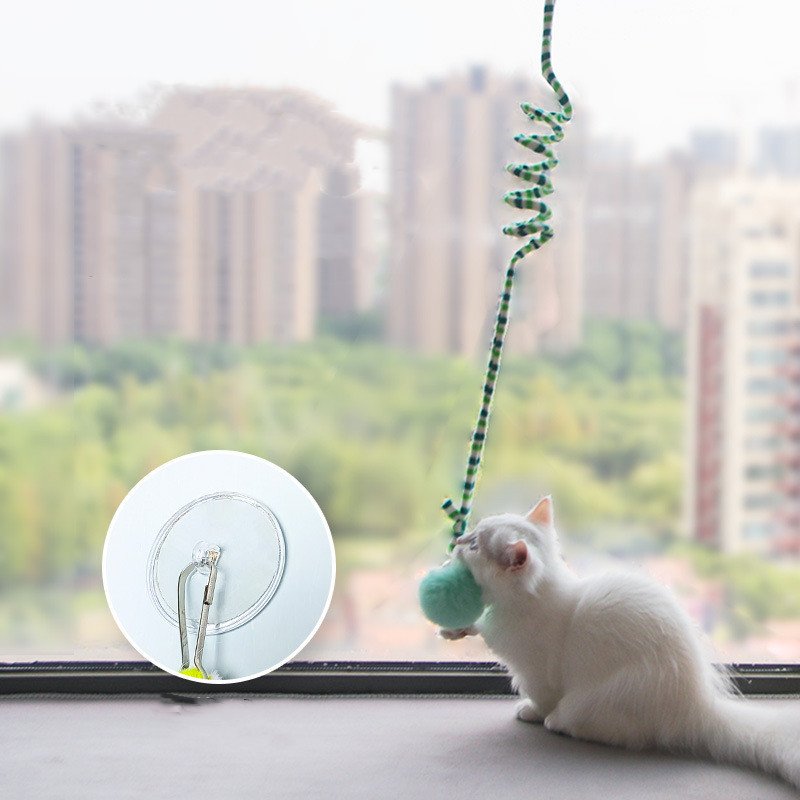
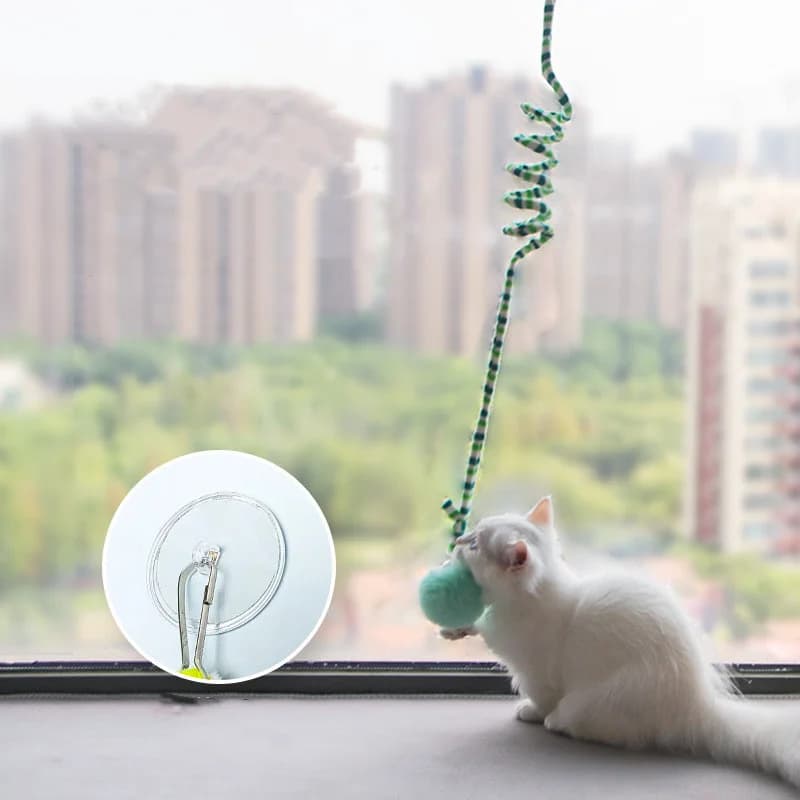
Interactive Cat Hanging Teaser Toy (Stretch Rope) ($8.99)
- Plush ball on a stretch rope, for solo chasing and batting
- Mounting base for smooth surfaces
- Rope 70 cm, stretches to about 180 cm
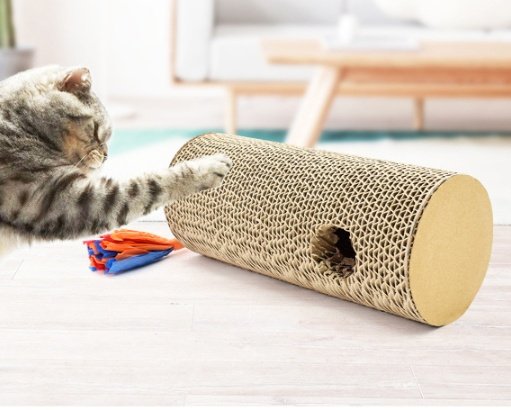
Cylindrical Cat Scratching Board ($16.99)
- Corrugated paper scratching surface
- Compact cylinder, 9.5 cm wide and 22.8 cm tall
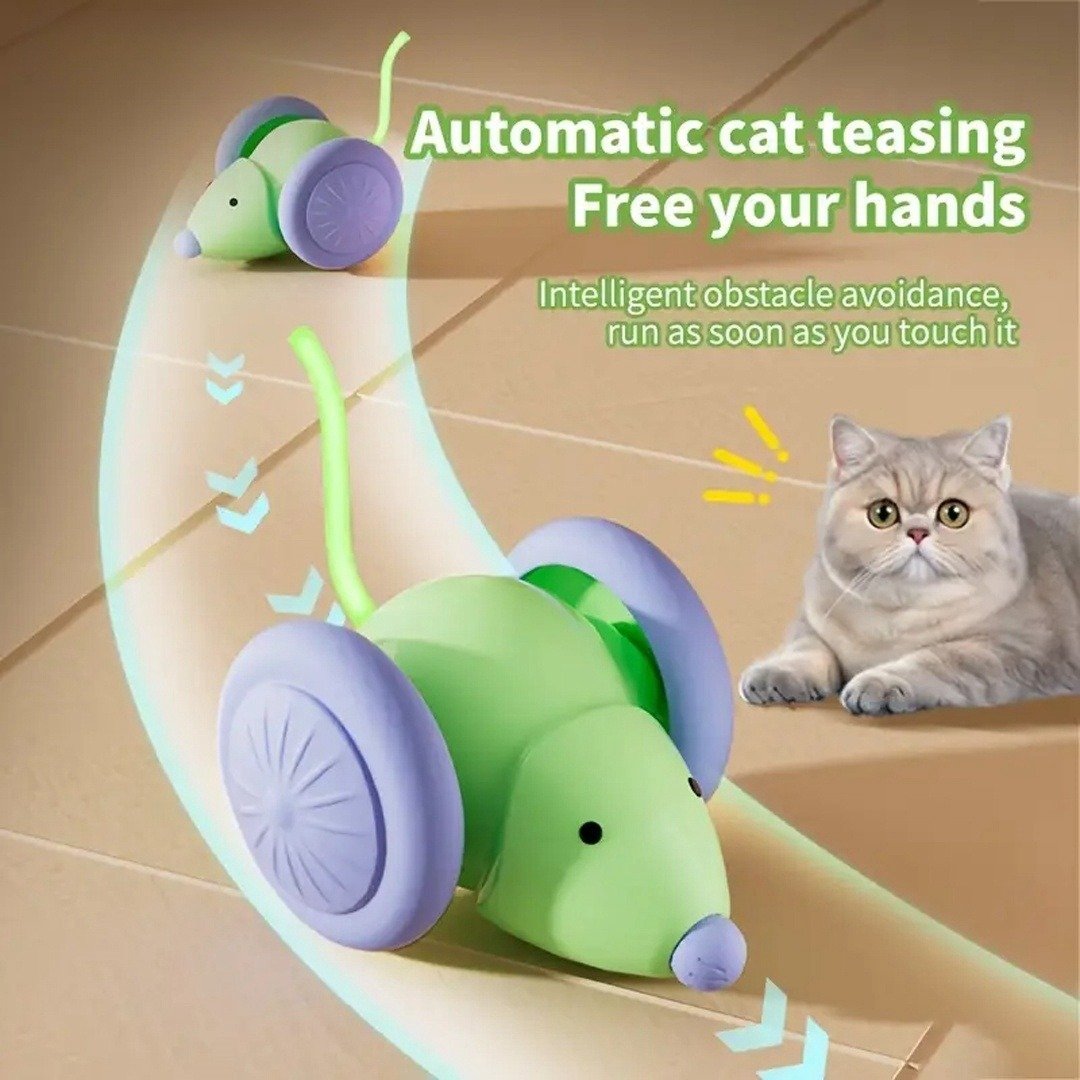
Interactive Electric Mouse Cat Toy ($10.99)
- Moves on its own and steers around obstacles
- ABS and TPU plastic, green or white
Supervise play with any toy that has small parts, and put toys away if your cat starts chewing them.
When to ask a vet
If your cat suddenly stops playing, hides much more than usual, overgrooms, or changes how they eat or use the litter tray, see a vet. These can be signs of illness or stress rather than boredom.
Sources
Not sure what fits you? Take our free quiz
Pick your problem, answer 5 quick questions and see the option we think fits you best, with what we compared shown in full.