
Why Belly Fat Won’t Go Away: The 5 Hormones That Control Weight Loss
That stubborn belly fat can feel like a personal attack, resisting every diet and exercise plan you throw at it. You meticulously count calories, sweat it out at the gym, yet that midsection just won't budge. The frustrating truth? It's often not about a lack of willpower or effort. Instead, the real culprits behind your persistent belly fat are often a complex interplay of hormones silently dictating your body's fat-burning and fat-storing mechanisms. Understanding these five key hormones is the first step to unlocking lasting weight loss and finally saying goodbye to that stubborn belly fat.
Hormone #1: Cortisol (The Stress Hormone)
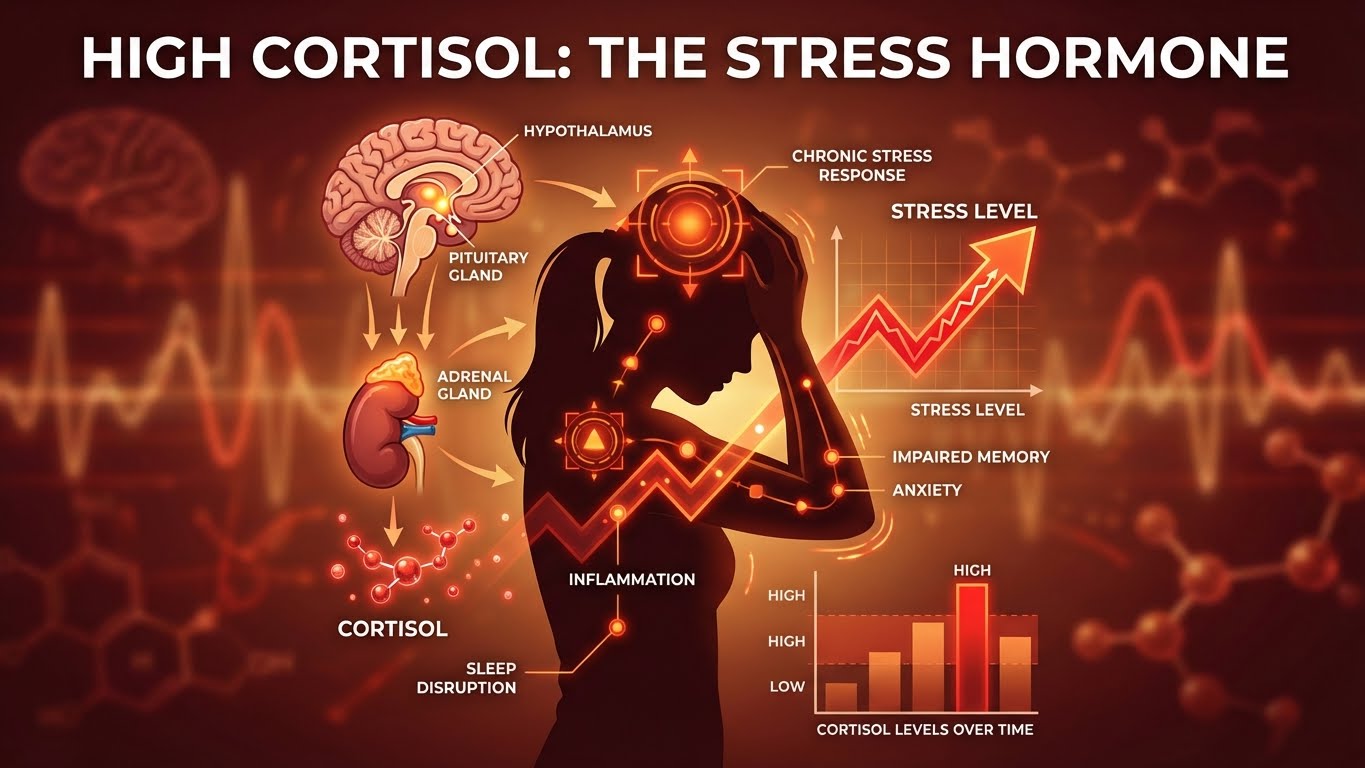
In our high-stress world, cortisol is often working against us. While crucial for survival, chronic stress keeps cortisol levels elevated, signaling your body to store fat, particularly around your abdomen. This isn't just about feeling stressed; high cortisol can slow your metabolism, increase cravings for sugary and fatty foods, and directly promote the accumulation of visceral fat – the dangerous kind that wraps around your organs. Managing stress is paramount to getting your cortisol in check and releasing that grip on your belly fat.
Hormone #2: Insulin (The Fat-Storage Hormone)
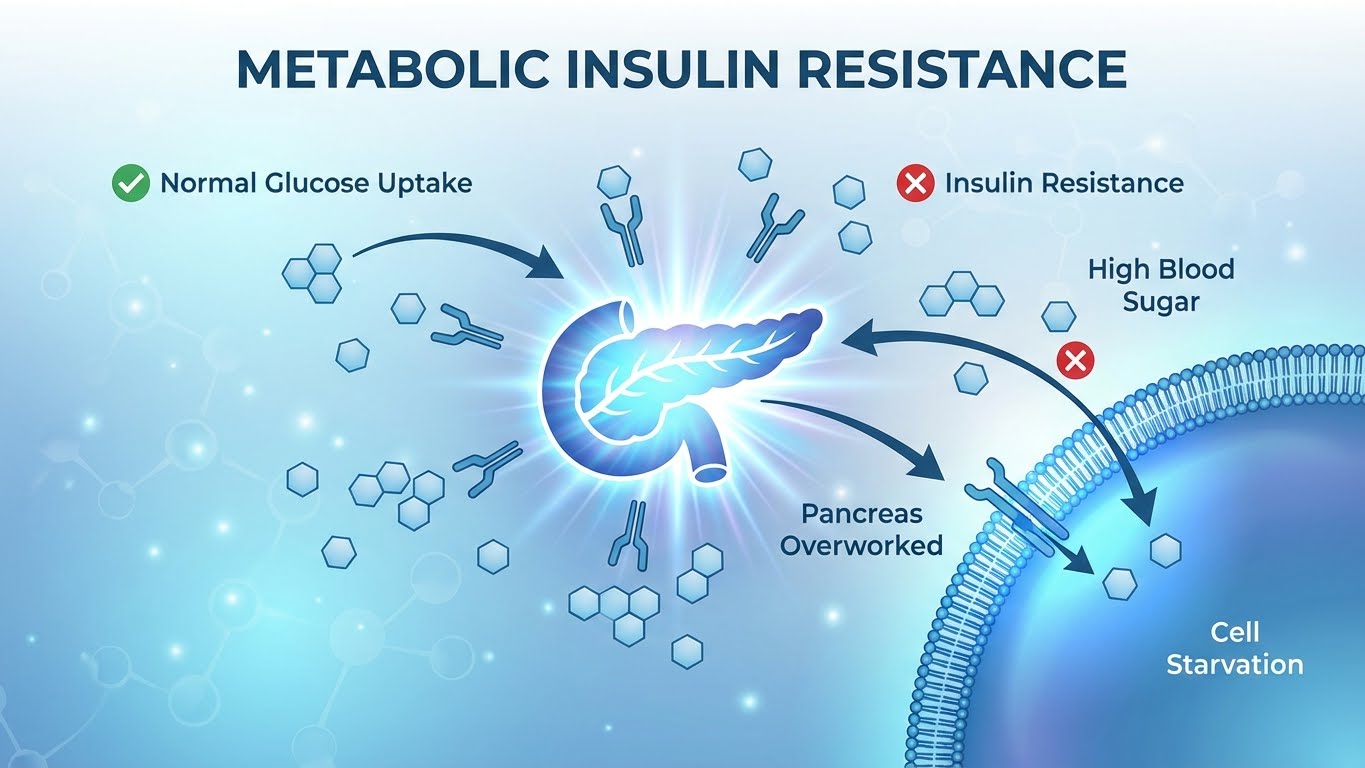
Every time you eat carbohydrates, especially refined sugars, your blood sugar spikes, and your pancreas releases insulin to bring it down. Insulin's job is to shuttle sugar into cells for energy or storage. The problem arises with constant sugar spikes, leading to insulin resistance. When your cells become resistant, your pancreas pumps out even more insulin, and this excess insulin acts as a powerful fat-storage signal, telling your body to hoard fat, especially around your waistline, and making it nearly impossible to burn existing fat stores.
Hormone #3: Leptin (The “I’m Full” Hormone)
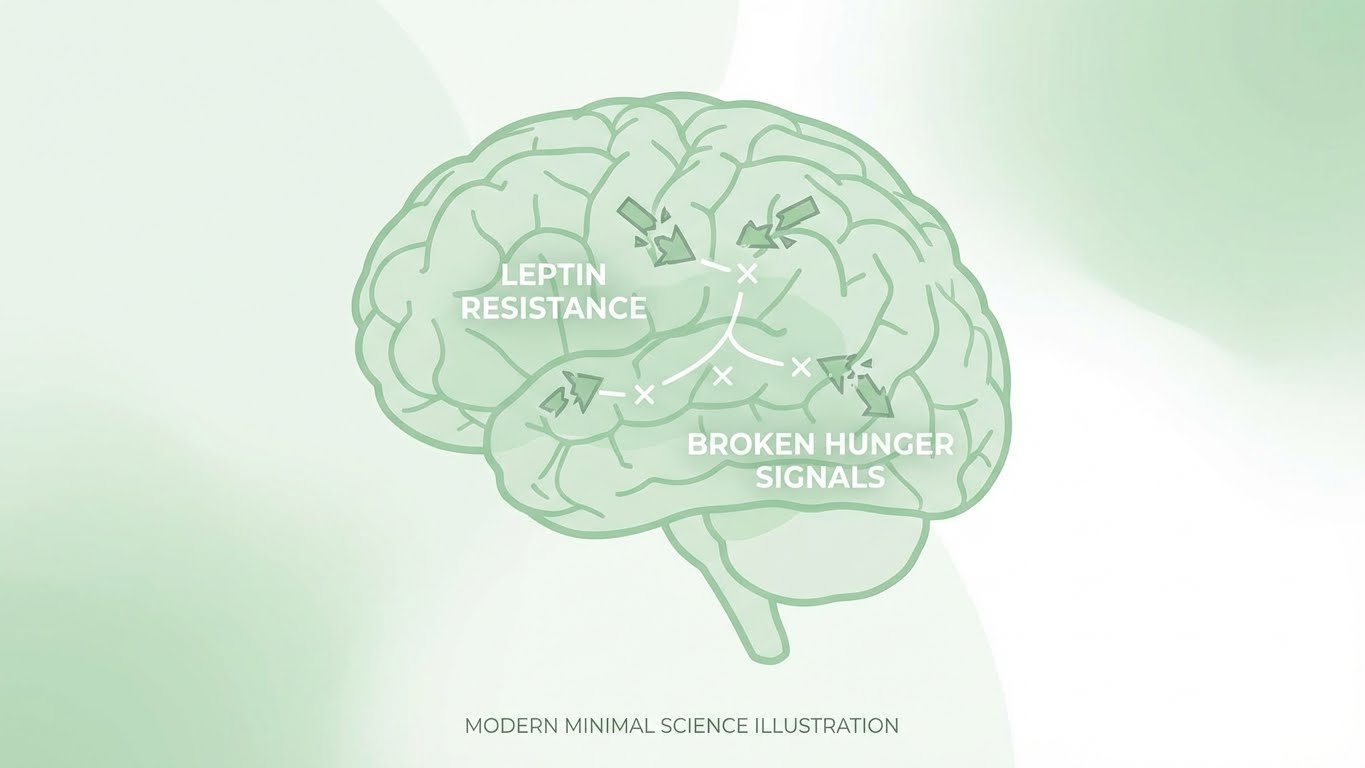
Leptin is produced by your fat cells and is supposed to signal to your brain that you're full and have enough energy stored. It's your body's satiety signal. However, in many individuals struggling with weight, a condition called leptin resistance develops. Your brain stops "hearing" leptin's signals, meaning you constantly feel hungry, even after eating a substantial meal. This leads to overeating, persistent cravings, and continued fat storage, creating a vicious cycle that keeps belly fat locked in place.
Hormone #4: Ghrelin (The Craving Hormone)
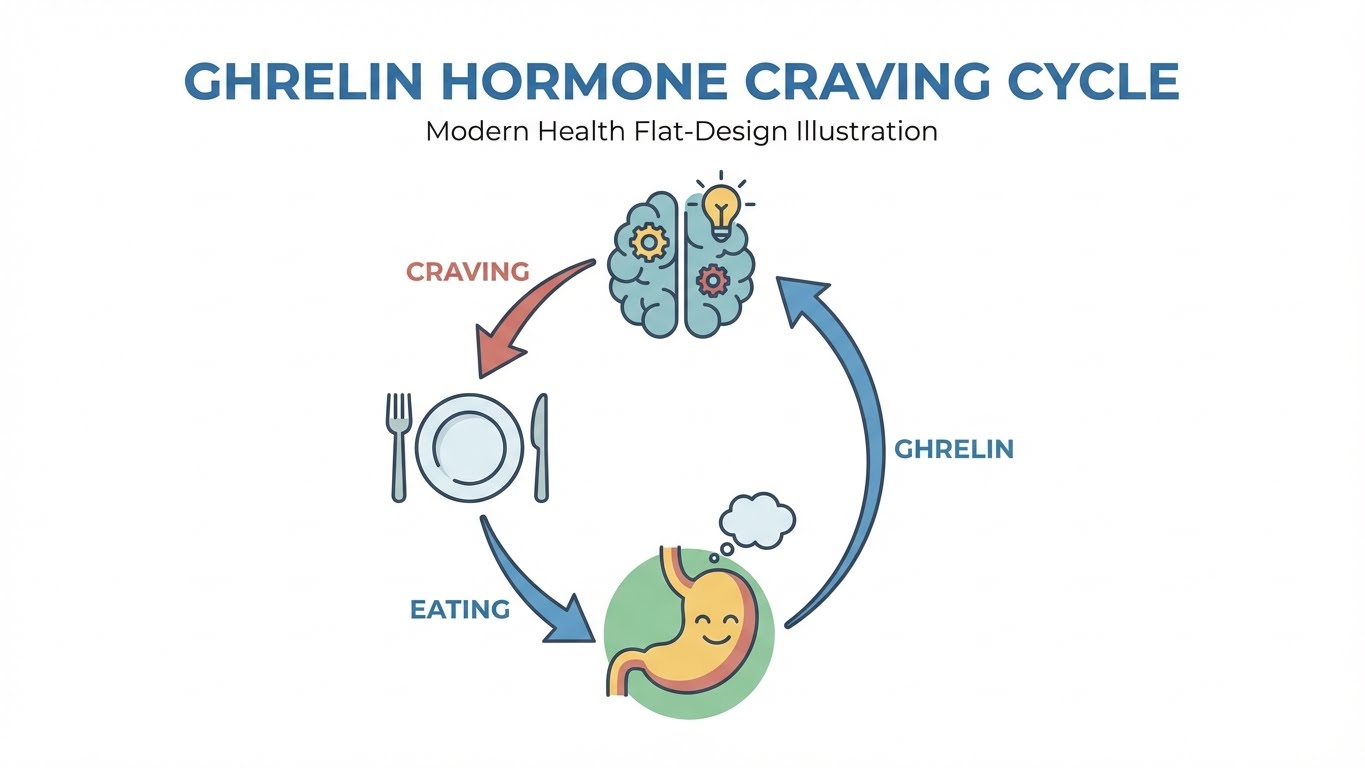
Ghrelin, often called the "hunger hormone," is produced in your stomach and signals to your brain when it's time to eat. While normal ghrelin surges are healthy, imbalances can lead to constant hunger and intense cravings, especially at night. Poor sleep, chronic stress, and inconsistent eating patterns can all disrupt ghrelin's rhythm, causing it to spike when it shouldn't. This can lead to late-night snacking, overeating, and an inevitable increase in belly fat storage.
Hormone #5: Thyroid Hormones (The Metabolism Controller)
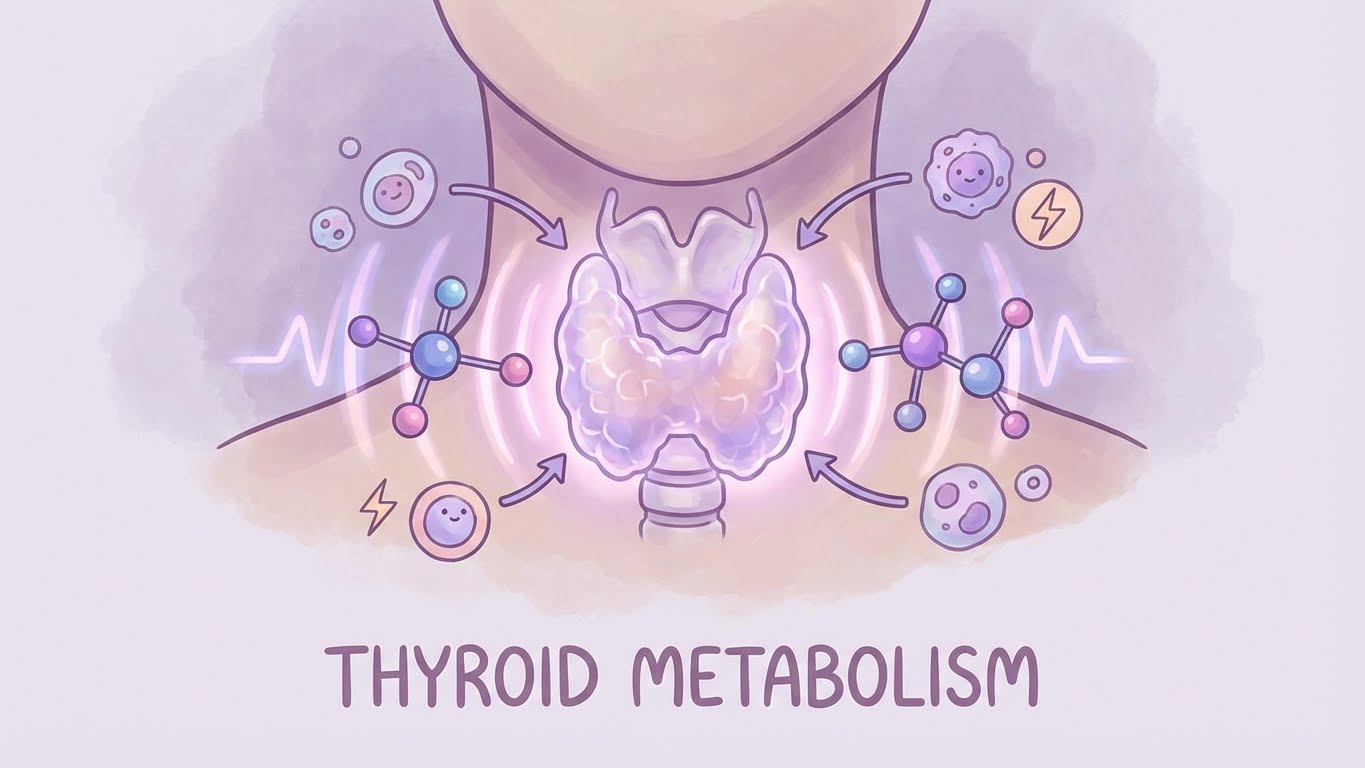
Your thyroid gland, a small butterfly-shaped gland in your neck, produces hormones that are the master regulators of your metabolism, energy levels, and fat-burning capacity. If your thyroid isn't functioning optimally (even subclinically), your metabolism can slow to a crawl, making weight gain, especially around the midsection, almost inevitable. Fatigue, cold sensitivity, and difficulty losing weight are common signs of a sluggish thyroid, directly impacting your body's ability to burn fat effectively.
Feeling like your hormones are working against you? You’re not alone!
Take our quick, 30-second quiz to discover your hidden weight-loss blockers and get a personalized plan to finally achieve the results you deserve!
Discover Your Weight-Loss Blockers Now!
Take Control of Your Hormones, Take Control of Your Weight!
Identifying which hormones are out of balance is the crucial first step to effectively targeting and eliminating stubborn belly fat. Don't let hormonal imbalances dictate your body's potential any longer. Empower yourself with knowledge and start your transformation today!
Take the 30-Second Weight Loss Quiz Visit the Weight Loss Hub