
The Brain Booster Hub
Understanding Mental Clarity, Brain Fog, and Pineal Gland Function
Evidence-Based Insights for Cognitive Wellness and Mental Focus
Educational ResourceMany people experience mental fog, difficulty focusing, or a sense of cognitive overload but don't understand why their mental clarity seems diminished. The pineal gland, a small but vital brain structure, plays a crucial role in regulating sleep patterns and cognitive function, yet remains poorly understood in mainstream wellness discussions.
This hub provides evidence-based information about brain health, pineal gland function, and factors that influence mental clarity. By understanding different approaches to cognitive wellness, you can make more informed decisions about supporting your mental focus and overall brain health.

Why Brain Fog and Mental Fatigue Occur
Understanding the Complex Factors That Influence Cognitive Function and Mental Clarity
Digital Overload
Constant screen exposure, information bombardment, and digital multitasking can overwhelm cognitive processing capacity and disrupt natural mental rhythms.
Sleep Disruption
Irregular sleep patterns, blue light exposure, and stress can interfere with pineal gland function and melatonin production, affecting both sleep quality and daytime cognitive performance.
Chronic Inflammation
Systemic inflammation, often influenced by diet, stress, and environmental factors, can affect brain function and contribute to feelings of mental fatigue and cognitive sluggishness.
The sensation of "brain fog" or mental block often stems from multiple interacting factors rather than a single cause. The pineal gland's role in regulating circadian rhythms means that disruptions to sleep-wake cycles can have cascading effects on daytime alertness, mood, and cognitive processing speed.
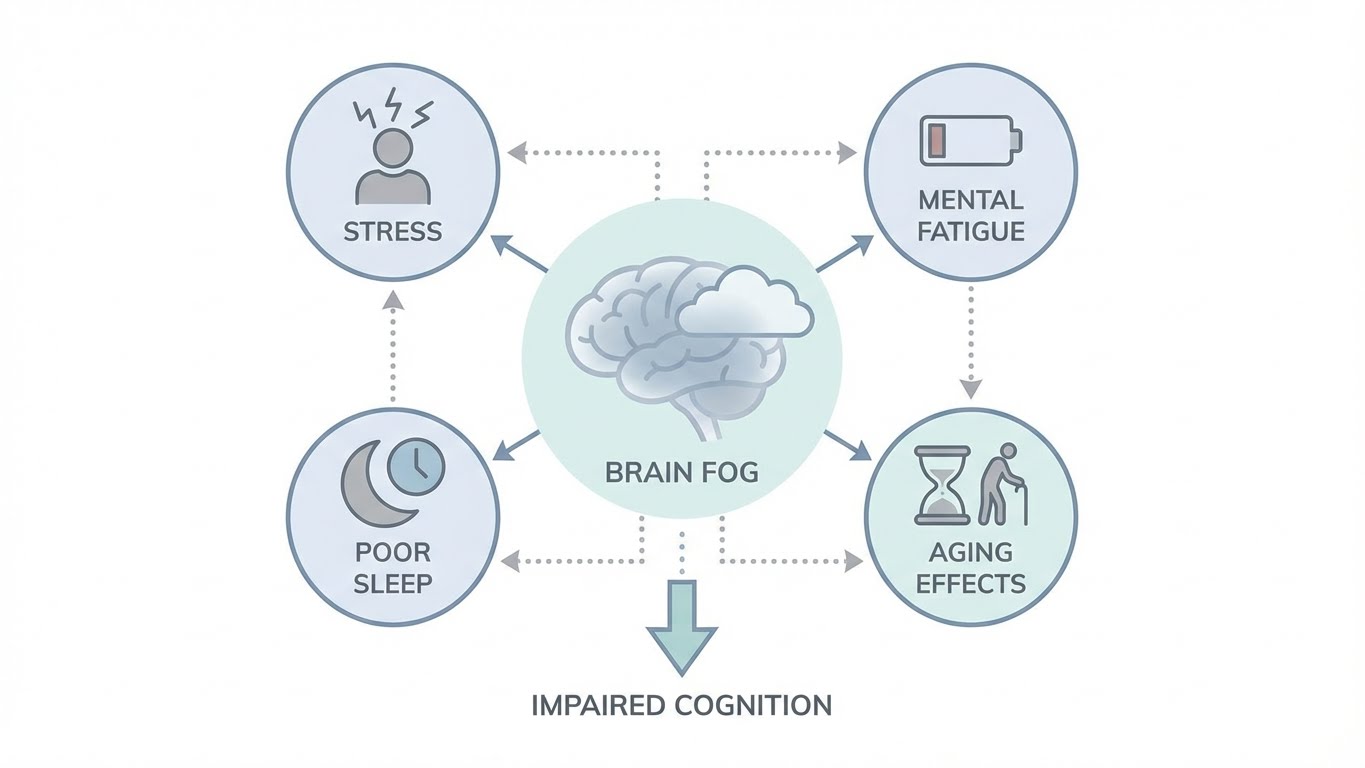
Why Generic Cognitive Advice Often Falls Short
Understanding Why One-Size-Fits-All Approaches to Brain Health Miss Crucial Individual Factors
Common suggestions like "meditate more," "drink coffee," or "take brain supplements" often overlook individual neurochemistry, lifestyle factors, and specific underlying causes of cognitive challenges. What supports mental clarity for one person might not address another's unique pattern of brain fog or fatigue.
The pineal gland responds differently to various stressors, sleep patterns, and nutritional inputs based on individual physiology. Generic approaches fail to account for these personal variations, leading to inconsistent results and frustration when expected improvements in mental clarity don't materialize.
Effective cognitive support requires understanding your specific pattern of mental fatigue, sleep quality, and lifestyle factors—moving beyond blanket recommendations to personalized insight about what might be influencing your particular experience of brain function.
A Smarter Approach to Brain Health and Mental Clarity
Moving Beyond Quick Fixes to Sustainable Cognitive Wellness Strategies
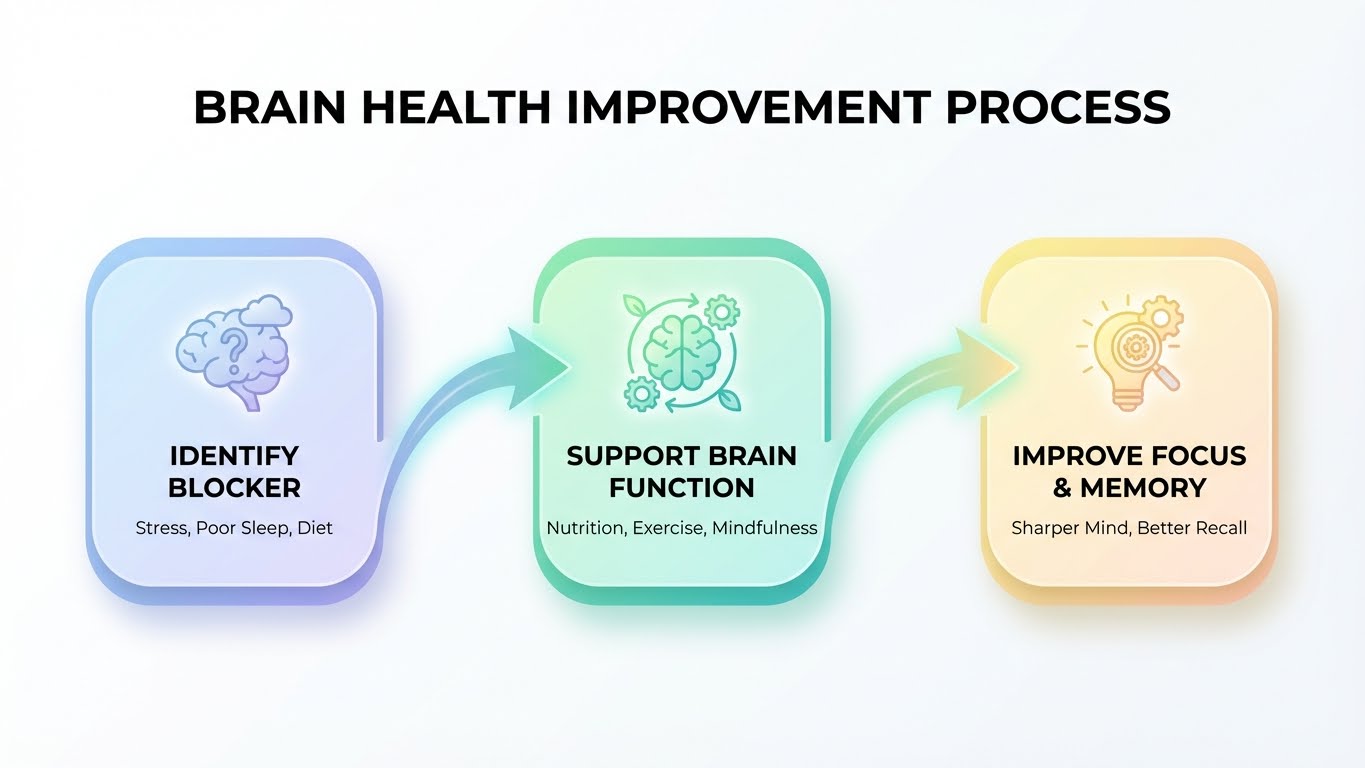
Rather than seeking isolated "nootropic" solutions or temporary cognitive boosts, a more effective approach involves understanding and supporting your brain's natural systems holistically. This includes considering sleep architecture, stress management, nutritional support, and circadian rhythm alignment.
The pineal gland functions as part of an interconnected system involving sleep regulation, hormone balance, and stress response. Supporting its health means addressing multiple lifestyle factors simultaneously rather than looking for single-point interventions.
This approach emphasizes gradual, sustainable improvements to cognitive function through better understanding of how your specific lifestyle, sleep patterns, and stress levels might be influencing your mental clarity and overall brain health.
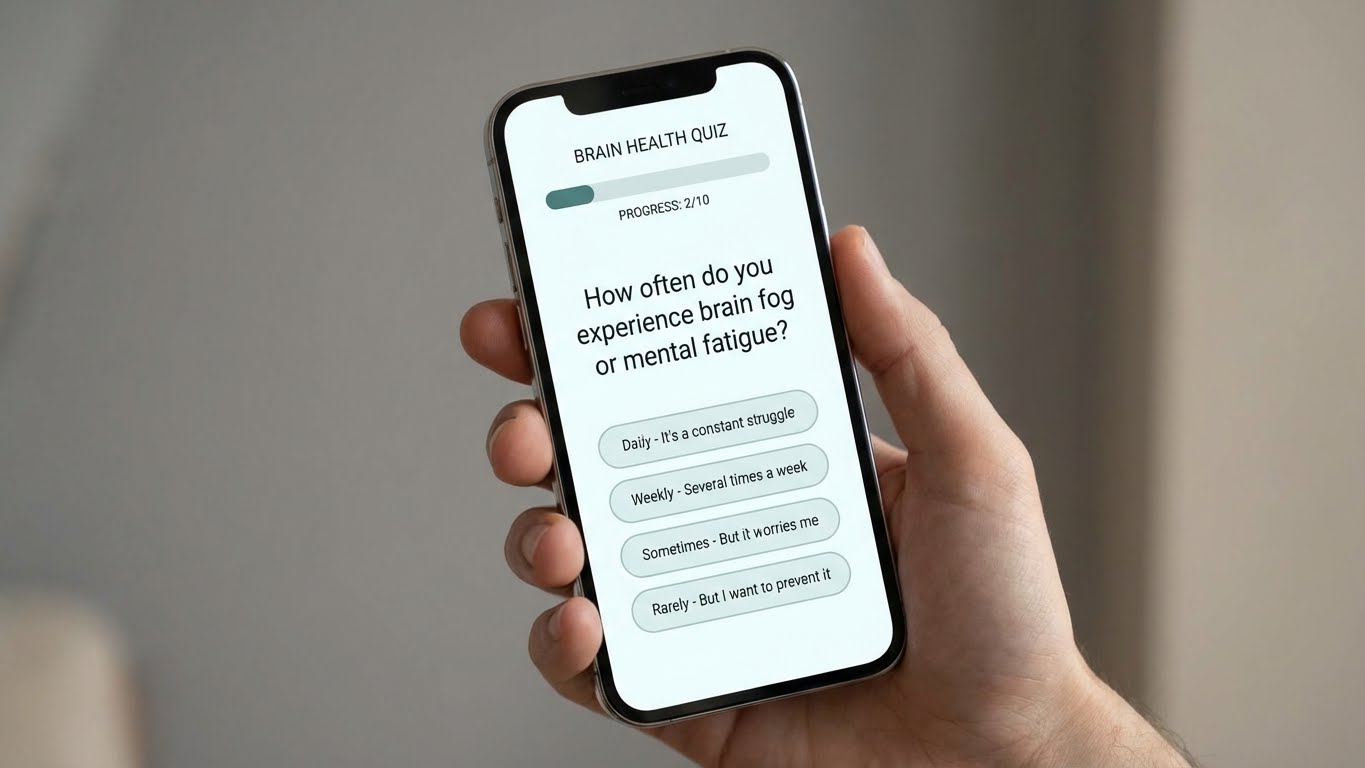
Identify Your Cognitive Wellness Pattern
Discover potential factors influencing your mental clarity and understand your unique brain health profile
- Assess Pineal Gland Disruption Factors – Evaluate sleep patterns, light exposure, and lifestyle habits that may affect pineal gland function and melatonin production.
- Understand Mental Fatigue Patterns – Identify when and how brain fog occurs to recognize potential triggers and contributing factors.
- Identify Lifestyle Blockers – Pinpoint specific daily habits or environmental factors that might be interfering with optimal cognitive function.

Latest Brain Health Guides & Cognitive Wellness Resources
Explore our library of evidence-based articles covering pineal gland function, mental clarity strategies, sleep optimization, and holistic approaches to cognitive wellness.

How to Use This Brain Health Hub
Take the assessment if uncertain
Identify your cognitive wellness pattern with our pineal gland health assessment.
Read guides to understand brain function
Deep-dive into research-based articles about pineal gland function and cognitive wellness.
Consider personalized recommendations
Explore educational approaches that align with your specific cognitive wellness goals.
Educational Note: This hub is for informational and educational purposes only. It does not provide medical advice or guarantee specific cognitive outcomes. Always consult healthcare professionals for personal medical decisions.
Our Commitment: Clarity Over Confusion in Brain Health
We prioritize evidence-based education over exaggerated claims in the cognitive wellness space. The field of brain health contains many oversimplified promises that obscure the complex reality of neurological function and mental clarity.
This hub exists to provide clear, research-informed perspectives on pineal gland function, cognitive wellness, and factors influencing mental clarity. We emphasize understanding over quick fixes, providing frameworks for informed decisions rather than guaranteed outcomes.
If you're new here, start with the assessment above. If you already understand your cognitive patterns, explore the guides or learn about educational approaches to pineal gland support.